

The Eastern Question through diplomatic eyes

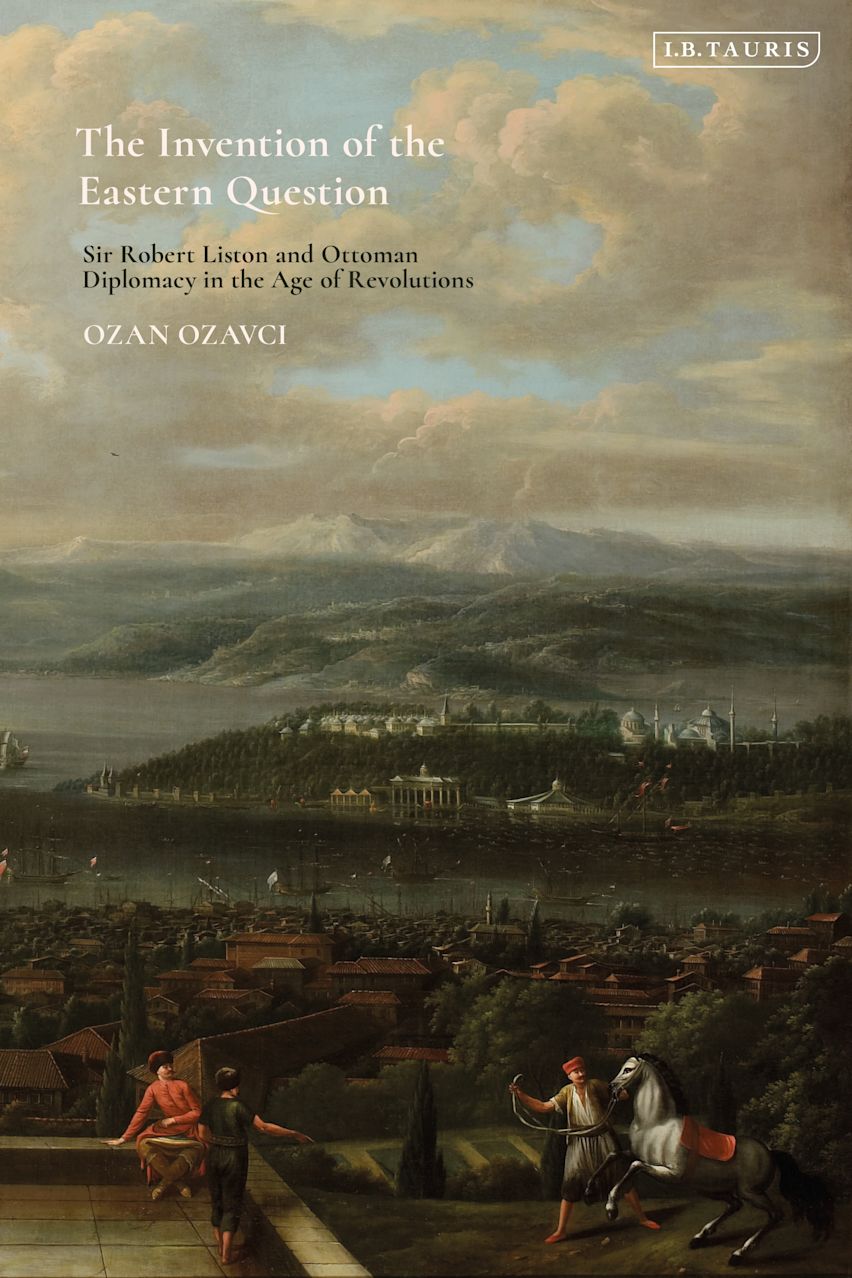
Published by: I.B. Tauris
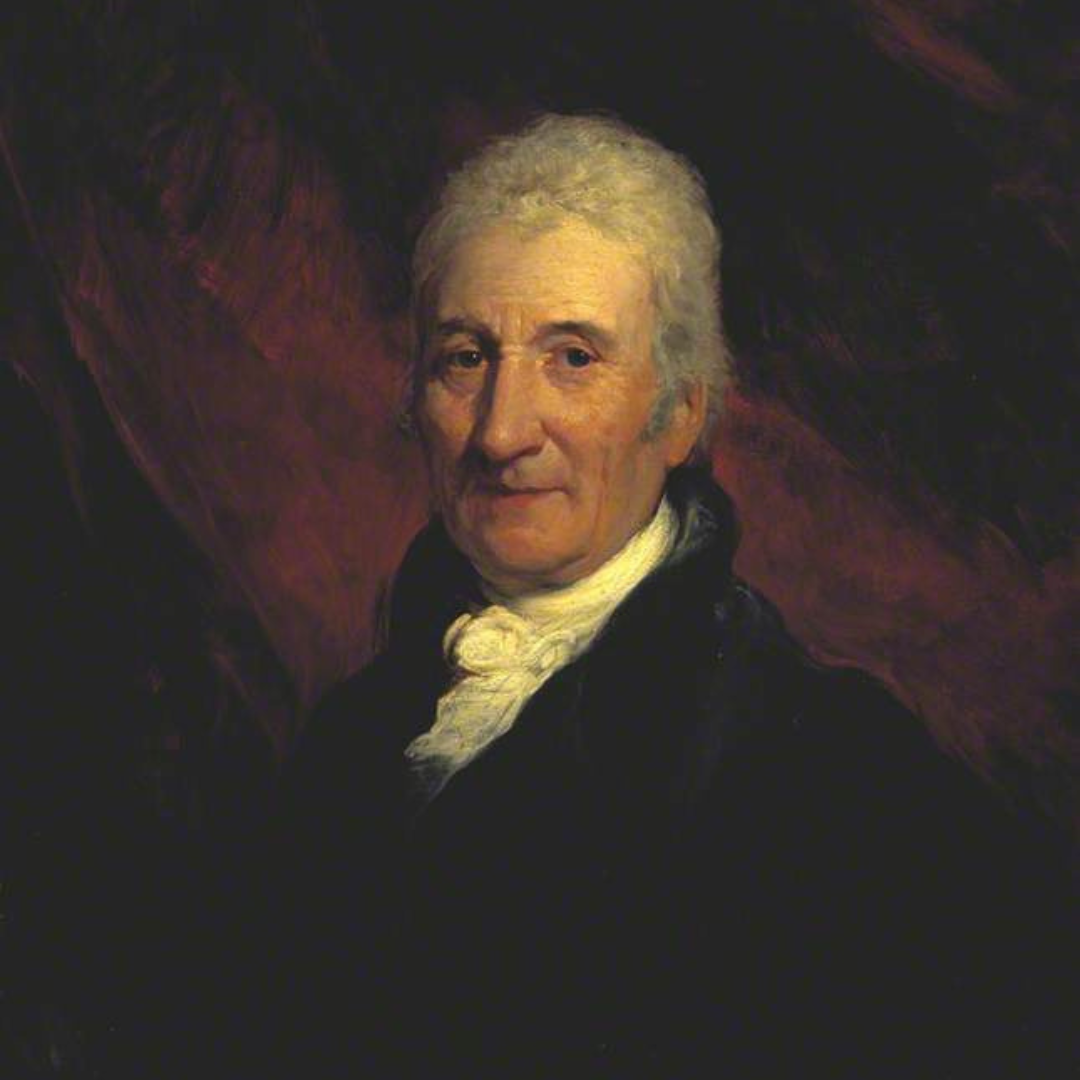
Many historians, especially those studying diplomacy, have at least once considered becoming diplomats themselves. Ozan Ozavci’s new book, The Invention of the Eastern Question, portrays a scholar who actually dared to change his path. Robert Liston started his career as an academic and tutor. Eventually, however, he would forgo his erudite profession to assume the position of the British ambassador to the Ottoman Empire and emerge as a leading expert on Mediterranean political affairs. During his time in Istanbul, Liston witnessed the rise – or invention – of the Eastern Question, the conundrum of what should be done about the perceived weakness of the Sublime Porte, repeatedly referred to by foreign politicians as “the sick man of Europe.” Governments in countries such as Britain, France, and Austria feared the encroachment of an overly powerful Russian Tsar onto the Sultan’s territories, further tilting the (in)balance of power in his favor. Ozavci tells the story of Liston’s entanglement in the treacherous field of inter-imperial diplomacy. This exciting new monograph illustrates the intricate connection between the life of one man and the all-encompassing Eastern Question, which shaped not only Mediterranean but global nineteenth-century history.
Ozavci’s more chronological than argumentative narrative follows two golden threads: Liston, the protagonist, and the Eastern Question, his political challenge. At first, they appear separate, but they become increasingly intertwined as the story progresses. Sometimes, the stage is given to Liston’s personal career. At other times, Ozavci unfolds the intricate interplay of empires across a global arena. The historian highlights individual agency within these immense political structures while also acknowledging the limits of a single diplomat’s power. We read how Liston impacted the relations of the British and Ottoman Empires. Still, more often, we see the scholar-turned-ambassador reduced to the role of an astute observer and commentator. At the end, Ozavci argues that Liston won a victory over the Eastern Question but also suffered a defeat. On the one hand, the British ambassador contributed to the Ottomans’ rejection of an alliance with his country’s rival, Napoleonic France. On the other hand, the sultan declined the offer to be included in the European concert of powers that had come from the Congress of Vienna and been avidly supported by Liston. Individuals changed the course of history, but not at will, and without fully foretelling the consequences of their actions.
Yet others, myself included, will find that it is this narrational strategy, the perspective of the individual, that makes Ozavci’s take on the Eastern Question more immersive and valuable than many of the purportedly objective histories published before.
The Invention of the Eastern Question is a dramatic book that does not shy away from biographical sleights of hand. It could easily provide the basis, well-deservedly so, for a future novel or film. Especially at the beginning and end of Liston’s life, the narrative exhibits almost cinematic elements, such as the trope of the aspiring youngster dreaming of a great destiny and the wise man returning successful yet sobered from his adventures. Some readers might remark that the author appears overly fond of his protagonist. Did he not consult sources portraying Liston in a more critical light? Might he have become biased by focusing on the personal writings of a man who, furthermore, was the representative of one of the most avaricious empires in history? All in all, the tale of the hero who set out to seek his fortune only to return to the humble comfort of his sweet home is an utterly British, if not imperial, story. Yet others, myself included, will find that it is this narrational strategy, the perspective of the individual, that makes Ozavci’s take on the Eastern Question more immersive and valuable than many of the purportedly objective histories published before. By allowing one viewpoint to take center stage, the author simultaneously renders his portrayal more objective and subjective. He is fully transparent about the origins of the historical narrative, constantly tracing it back to contemporary sources. His book renders a complex matter easy to grasp, fascinating, and personal.
Ozavci’s history delves into many facets of the Eastern Question. The intricacies of the treaties between the Russian and Ottoman Empires, the Serbian problem, border quarrels west and east of the Black Sea, the berat system, and diplomatic rituals are only some of the informative building blocks that this monograph addresses. Despite this breadth, Ozavci could have elaborated even further on three particular topics. The British occupation of the Ionian Islands and subsequent Ottoman irritation, mentioned rather en passant, would exemplify an instance of opposition between the two powers. As a matter of fact, the Tsar was not the only monarch eager to occupy parts of the Sultan’s territories. The revolutions that led to the premature demise of two sultans in 1808 could have been given more space in the narrative. Finally, it would have been appealing to learn more about Liston’s wife, Henrietta, and her dealings in the Ottoman capital. In the book, she appears mostly as an observer. Glenda Sluga has demonstrated how women shaped diplomatic interactions at the simultaneous Congress of Vienna. Then again, Ozavci does not claim his work to be a complete portrayal, either of the Eastern Question or of Liston’s life. One book can only do so much.
Ultimately, the author successfully goes beyond Liston’s life to uncover various actors’ motivations, strategies, and reactions within their contemporary context. While many of their choices might appear bewildering to readers aware of subsequent developments, Ozavci demonstrates how reasonable they were in their current circumstances, avoiding to a remarkable extent any retrospective anachronisms. He explains the political rationale of rulers, ministers, and diplomats by drawing on events that appear distant, yet directly influenced their thinking. Instead of a clash of nonhuman monolithic states, the reader encounters flesh-and-blood beings, alongside their worries, insecurities, and incentives. The Invention of the Eastern Question constitutes a masterful combination of new diplomatic history and research on the Eastern Question, uncovering the complex dynamics on the ground. While the book focuses on one individual, it effectively illustrates the workings of trans- and inter-imperial politics, reaching the full potential of a global microhistory.
Paul Csillag is a historian specializing in early modern and modern imperialisms in the Mediterranean. He studied in Innsbruck, Toulouse, Istanbul, and at the European University Institute. He has held teaching positions at the Universities of Florence, Innsbruck, Monash, Regensburg, and Salzburg, as well as at Sciences Po (Menton). His current research at the South Tyrolean Museum of Mining focuses on the Mediterranean and global migration of Tyrolean miners.