

The Germans who stayed: Tracing centuries of settlement across Poland
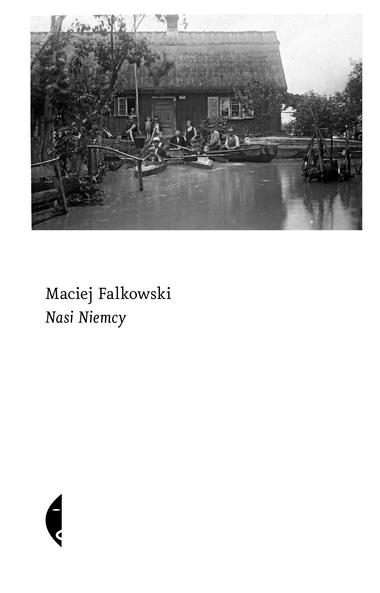
Published by: Wydawnictwo Czarne
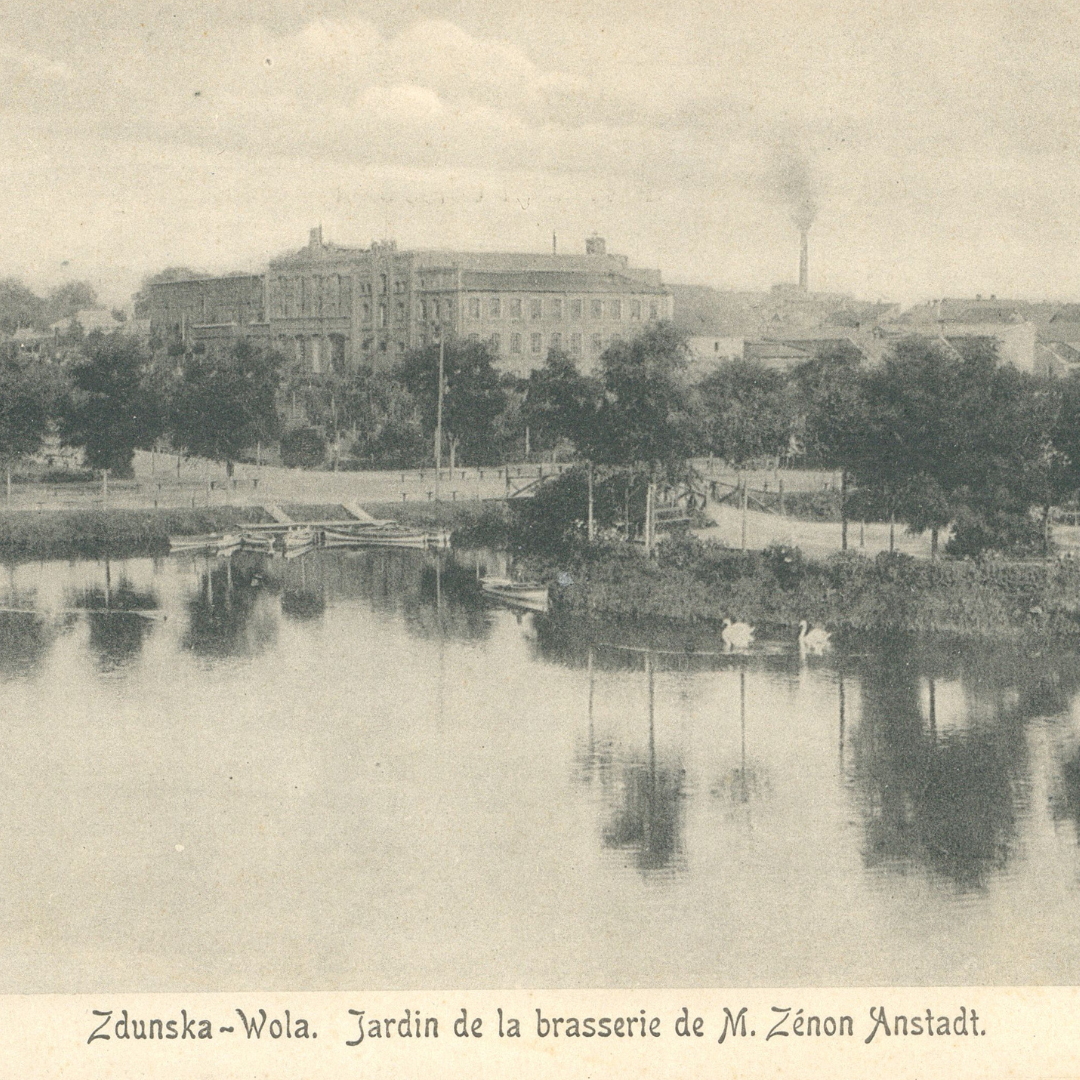
Maciej Falkowski’s Nasi Niemcy (Our Germans) reconstructs a world that has vanished. What remains are its fragments and traces: wastelands turned by human hands into fields, ruined Protestant cemeteries, German-sounding surnames, and identities blurred by the passage of time.
The borders of Central and Eastern Europe were anything but fixed, shifting repeatedly as the political map of the region was redrawn throughout the nineteenth and twentieth centuries. Poland returned to the map after the First World War, following 123 years of absence, only to emerge from the Second World War in a shape markedly different from that of the interwar period. Mass migrations reshaped the cultural landscape of this part of the world. But it is not the story of post-migration territories that Falkowski sets out to tell. His book does not dwell on the disappearance of the indigenous German population from the cultural landscape after the Second World War, following the shift of the Polish-German border to the Oder and Lusatian Neisse rivers. Instead, the author turns his attention to the difficult post-German heritage of regions commonly perceived as having little or nothing to do with the German presence that once shaped them. In doing so, he challenges the geographical misconception that post-German heritage is confined to the territories incorporated into Poland after the Second World War.
There is something striking about the way Falkowski places historical events within the realm of myth.
Implicitly guided by Olga Tokarczuk’s notion of tenderness, Falkowski approaches the fate of German settlers in Poland with melancholy. He does not take us on a tour of Gdańsk, Szczecin, or Wrocław, but instead leads us through the provincial landscapes of central and eastern Poland. He captures the complexity of migration processes and of the people who moved eastwards in search of a better life, without another homeland elsewhere to call their own. This sense of tenderness is already evident in the book’s title. “Our” Germans are people with whom the author seeks common ground rather than difference. He looks for what connects us to them, rather than what sets us apart. Unfortunately, the author shows more tenderness towards the settlers of the past than towards the people who live today in the places he studies – the very people whose help makes it possible to reconstruct the world that no longer exists. By essentialising contemporary residents of landscapes shaped by the German past, he also exoticises the post-German regions of present Poland.
There is something striking about the way Falkowski places historical events within the realm of myth. The book opens with a fairy tale by the Brothers Grimm, which he reads as an allegory of the fate of the German nation. In this telling, the genealogy of the Ostsiedlung – the German settlement of territories to the east – acquires almost legendary origins. Migration is thereby detached from its immediate historical circumstances and recast as part of a much longer historical trajectory, one that reaches deep into the past and gives the phenomenon the appearance of a longue durée. This perspective does not distance the author from the people he portrays; on the contrary, it deepens his understanding of their experiences by placing them within a broader cultural context.
The book speaks to universal questions, even as it tells the story of German settlers in Poland. It explores how people uprooted from their homes navigate political systems, and how marginalisation, assimilation, and integration shape their lives – issues that remain as urgent as ever in the contemporary world.
Sebastian Latocha is an assistant professor of cultural anthropology at the University of Lodz. His research focuses on critical heritage studies. He is the author of numerous publications on historical anthropology, dissonant heritage, and collaborative ethnography. He is currently working on the research project Lexicon of Katyn Archaeology (1990–2015).